MongoDB Atlas cost mistakes that increase startup bills
Common MongoDB Atlas cost mistakes around oversized clusters, stale environments, backups, storage growth, and missing ownership.
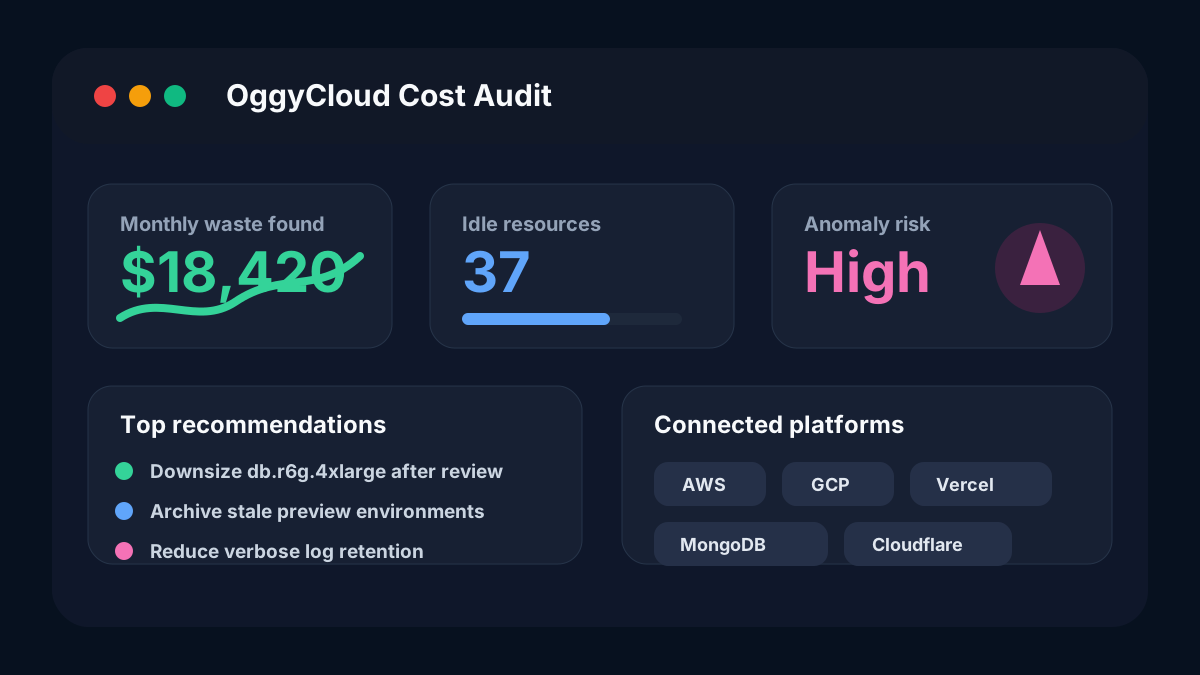
MongoDB Atlas spend often rises for good operational reasons and then stays high after the moment passes. The recurring mistake is not upgrading a cluster; it is forgetting to review the decision later.
Oversizing after incidents
Teams commonly scale clusters during incidents, launches, or load tests. If nobody schedules a follow-up review, emergency headroom becomes permanent monthly cost.
A good MongoDB Atlas cost management workflow compares tier, utilization, traffic shape, and operational risk before recommending changes.
- Tag incident-driven upgrades.
- Review CPU, memory, storage, and connection trends.
- Document why production needs the current tier.
Stale staging and QA clusters
Non-production clusters can keep running long after a migration, test, or feature branch is done. These costs are easy to ignore because they rarely create alerts.
- Find projects with no recent reads or writes.
- Pause or schedule non-production clusters where safe.
- Assign every cluster an owner.
Backup and storage drift
Storage growth, indexes, snapshots, and retention policies can create cost without a corresponding traffic increase. Review backup rules with product and compliance needs in mind.
- Track storage growth by project.
- Review retention by environment.
- Clean obsolete collections and indexes carefully.
Missing cross-stack context
Database cost rarely changes alone. Product launches, Vercel traffic, AWS workers, and OpenAI features can all increase database load. OggyCloud keeps these signals visible together.