Cloud cost optimization vs FinOps: what startups actually need
A startup-focused explanation of cloud cost optimization, FinOps, ownership, weekly review workflows, and when to add tooling.
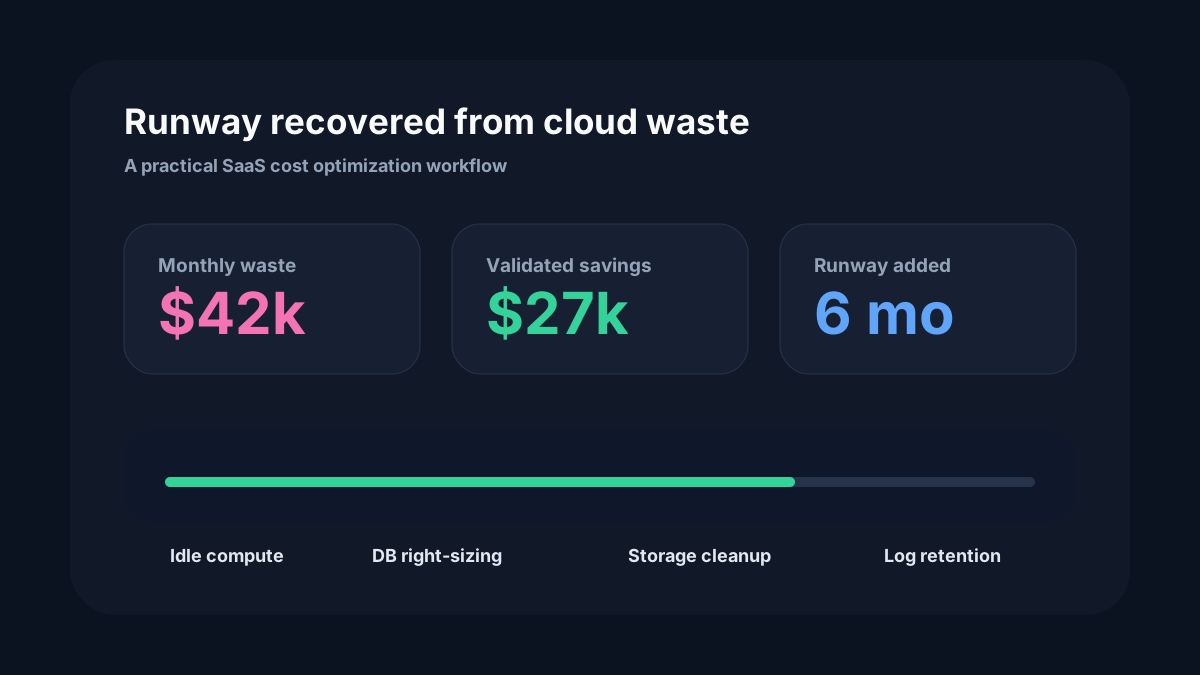
Startups do not need a heavyweight FinOps program on day one. They need a simple operating rhythm that keeps cloud, SaaS, and AI costs visible to the engineers who can change them.
Cloud cost optimization is the action layer
Optimization means finding specific waste or efficiency opportunities: idle resources, oversized databases, stale previews, repeated LLM context, or noisy logs. It is concrete and engineering-owned.
- Identify the resource or workflow.
- Show evidence.
- Estimate impact.
- Assign an owner.
FinOps is the operating model
FinOps adds shared accountability between engineering, finance, and product. It creates budgets, forecasts, tagging standards, review cadence, and a way to measure realized savings.
- Weekly or monthly cost review.
- Ownership rules.
- Budget and forecast process.
- Decision records for riskier changes.
What startups should do first
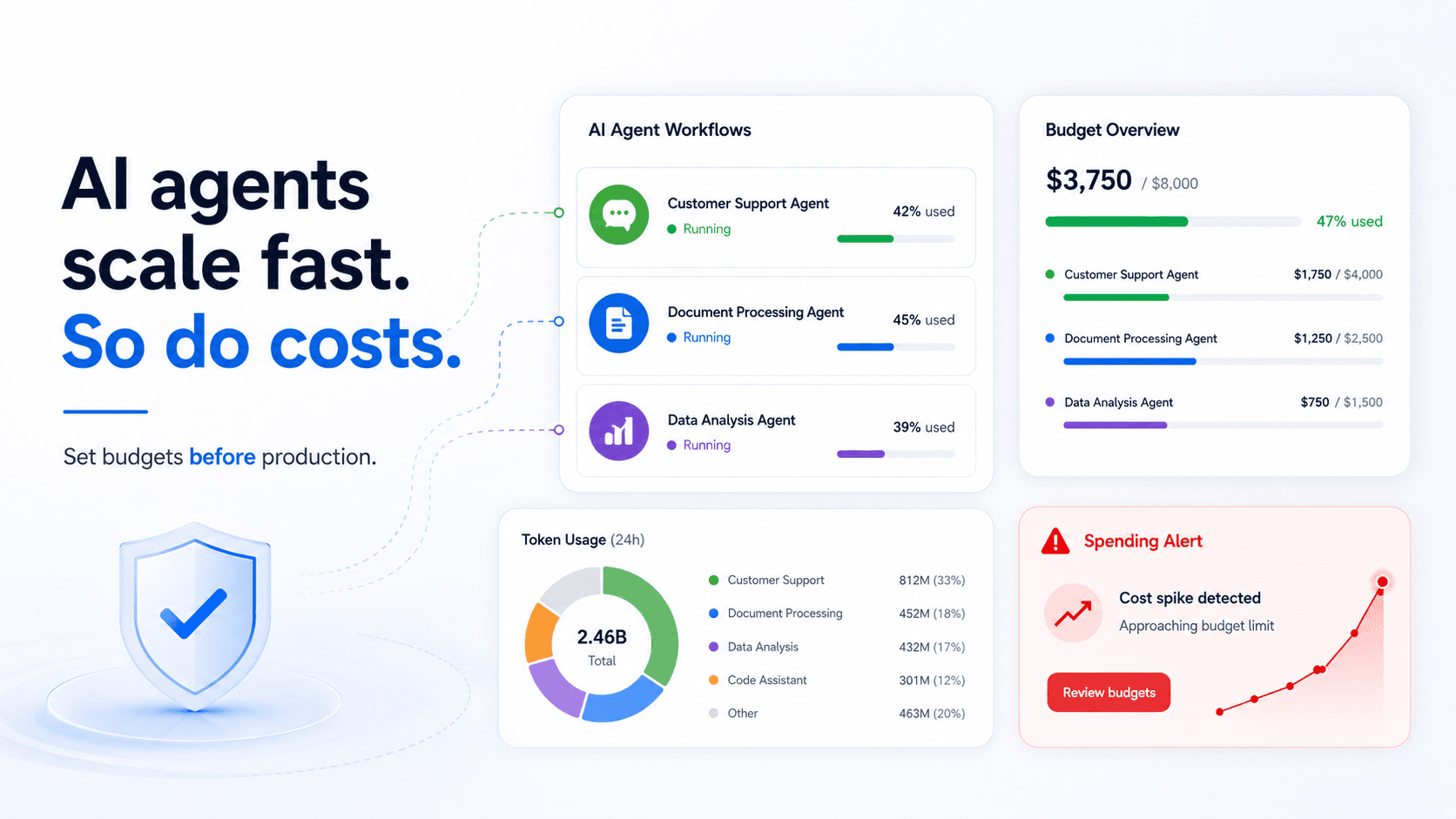
Start with one high-intent area: AWS cleanup, Vercel project sprawl, MongoDB Atlas sizing, or OpenAI token tracking. Build the habit before trying to govern every vendor.
- Pick one cost surface.
- Review the top five actions weekly.
- Connect savings to roadmap priorities.
Where OggyCloud fits
OggyCloud gives startups one place for cloud cost optimization, AWS waste review, Vercel cost optimization, and LLM token management.