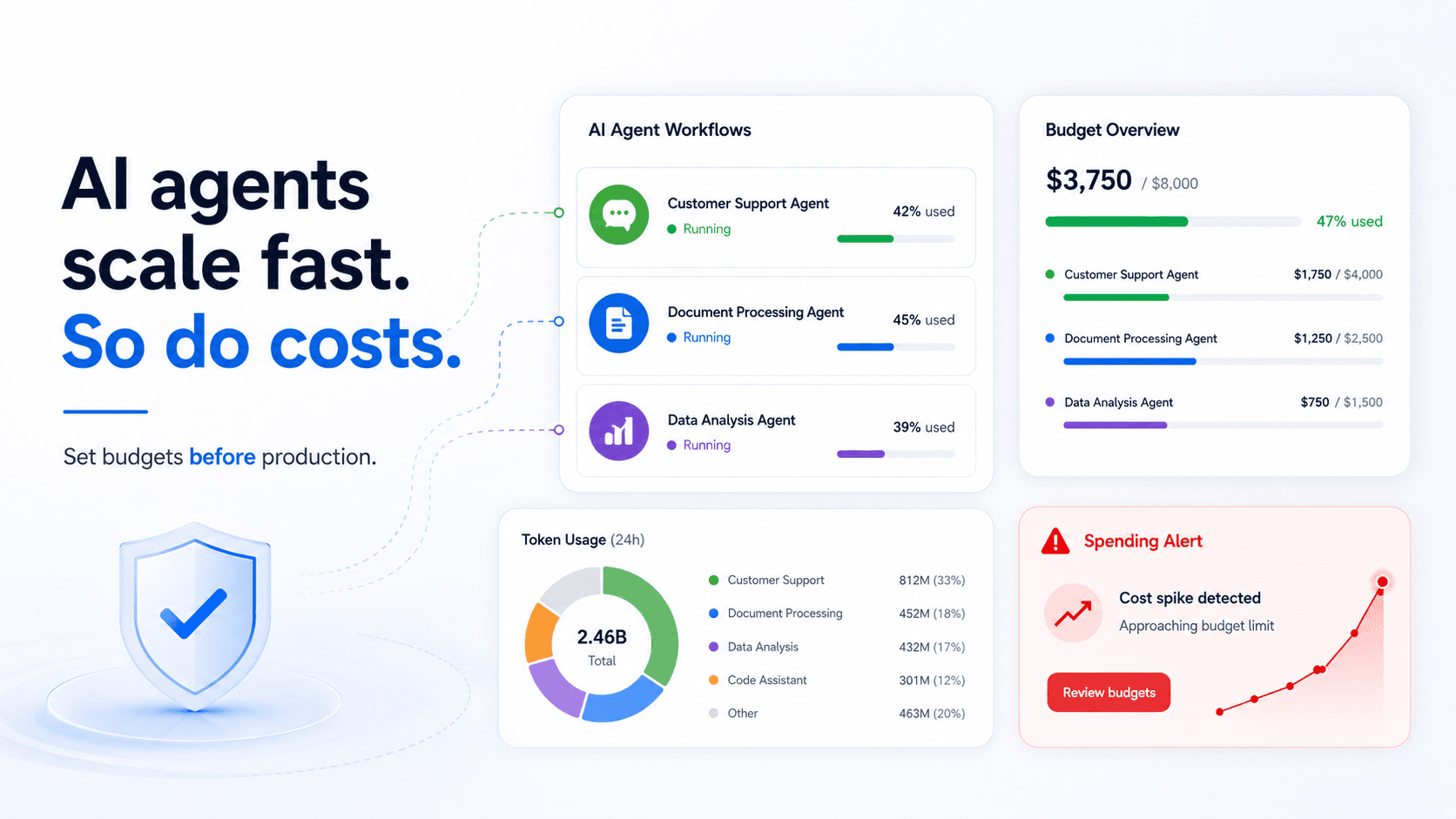
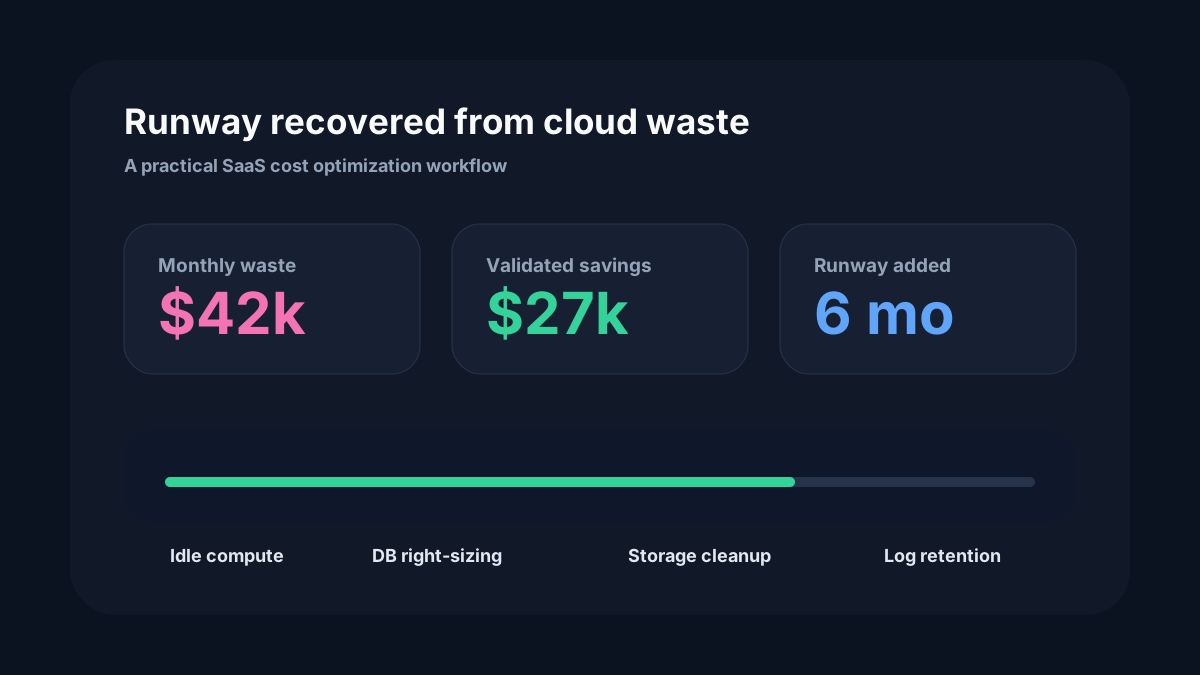
LLM token budget template for engineering teams
A practical token budget template for AI teams tracking requests, models, users, workflows, cached context, retries, and monthly cost.
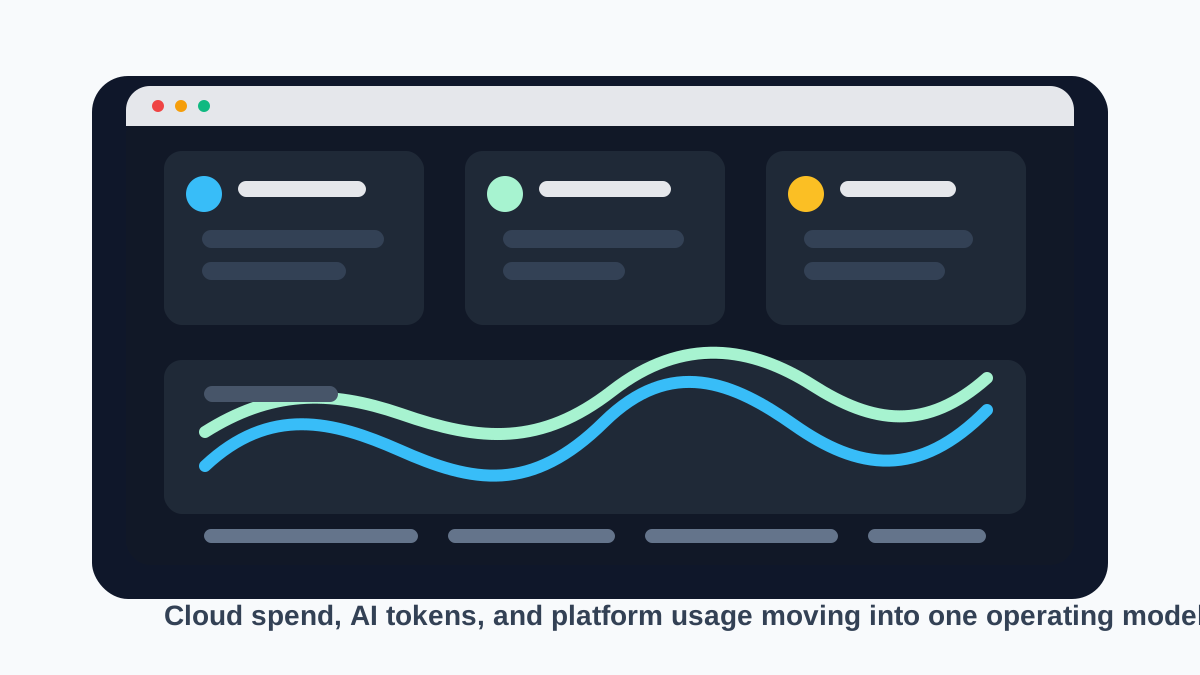
A useful LLM token budget does more than set a monthly cap. It explains who owns usage, which workflow creates it, which model serves it, and what behavior should change when cost grows.
Budget by workflow
Create budget lines for product features, internal tools, support automation, agents, evaluations, and development. A single provider-level budget hides the team that can actually reduce spend.
- Workflow name.
- Owner.
- Environment.
- Monthly token and cost target.
Track the request fields that matter
Every request should carry enough metadata to explain the cost. That does not require logging sensitive prompts by default; metadata is enough to start.
- Provider and model.
- Managed key or actor.
- Input, output, cached, and total tokens.
- Latency, status, retries, and estimated cost.
Define actions for budget pressure
Budget alerts should map to engineering actions: reduce context, cap output, route simpler tasks, pause eval jobs, or review agent loops.
- Set warning and hard-stop thresholds.
- Require owner review for overages.
- Keep exceptions visible.
Use OggyCloud as the operating layer
OggyCloud's LLM token management workflow gives teams managed keys, provider routing, token telemetry, and cost visibility so the budget is enforced by the system, not by a spreadsheet.