Why modern SaaS cost stacks now include Vercel, AWS, MongoDB Atlas, and OpenAI
The cloud bill is no longer one console. Learn how SaaS teams should manage spend across infrastructure, databases, frontend platforms, and AI APIs.
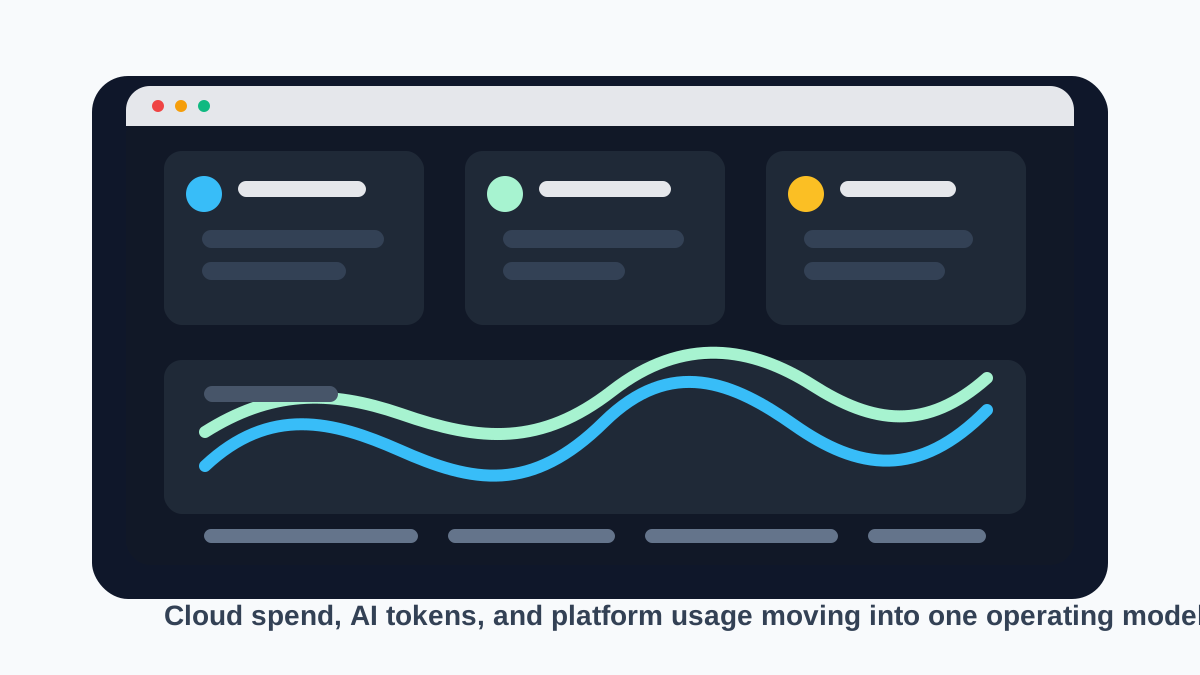
A single cloud provider dashboard cannot explain the cost of a modern SaaS product. The real stack spans infrastructure, databases, frontend platforms, observability, CI, and AI APIs.
The cost stack changed
Teams ship faster by buying managed services. That improves velocity, but it spreads spend across many vendors and makes ownership harder to see.
1. Frontend platforms create real infrastructure spend
Vercel and similar platforms can create cost through builds, bandwidth, functions, previews, logs, and analytics.
- Track projects by owner.
- Review stale previews.
- Correlate deploys with spend movement.
2. Managed databases need recurring review
MongoDB Atlas clusters are often sized for incidents or launches. Without review, temporary headroom becomes permanent cost.
- Compare tier with sustained traffic.
- Identify stale environments.
- Review storage and backup growth.
3. AI APIs behave like metered infrastructure
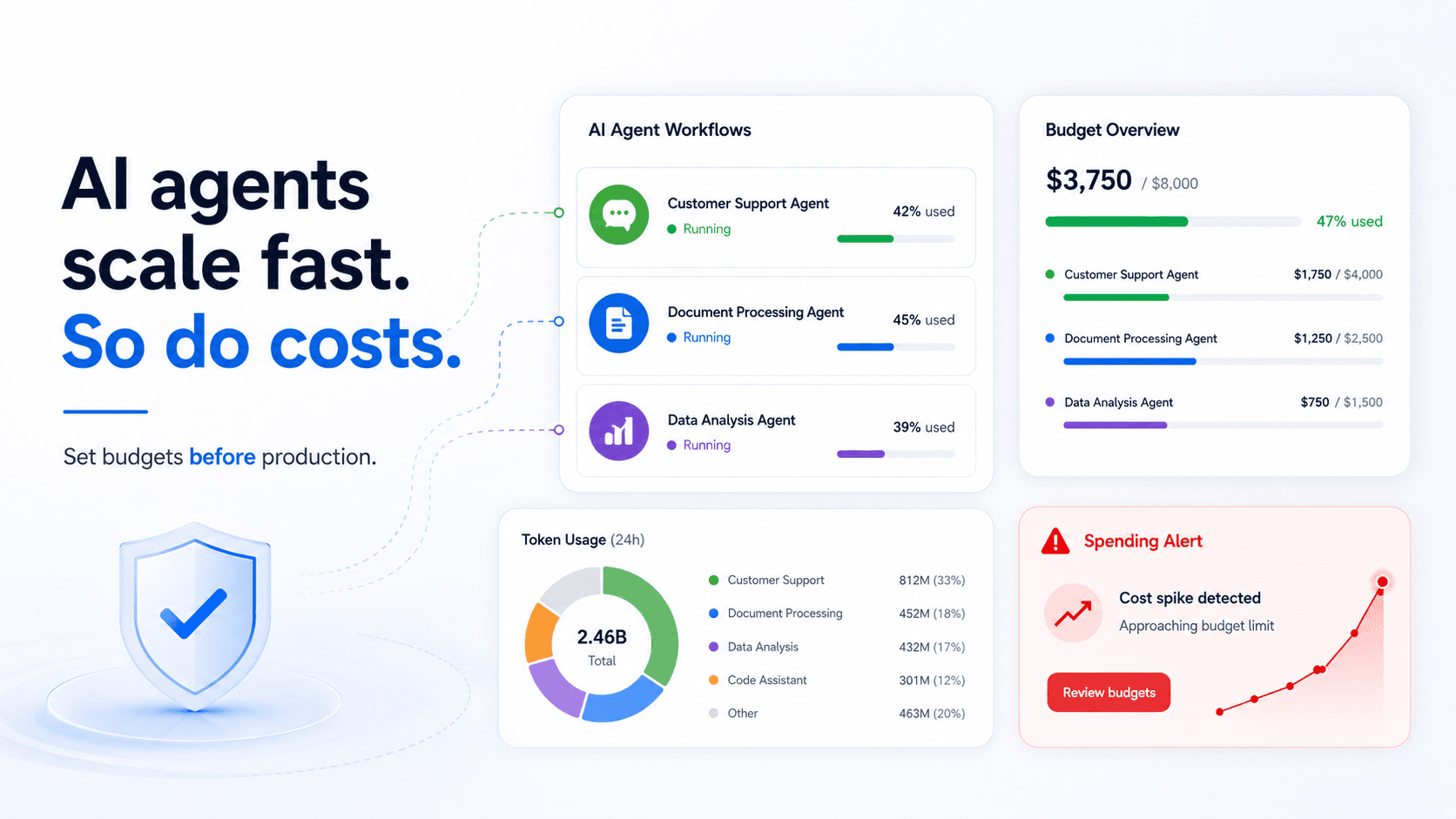
OpenAI and other LLM providers turn prompts into usage lines. Product features can now create meaningful cost without deploying more servers.
- Track tokens by feature.
- Set budgets for agents and evaluations.
- Review prompts and model choices.
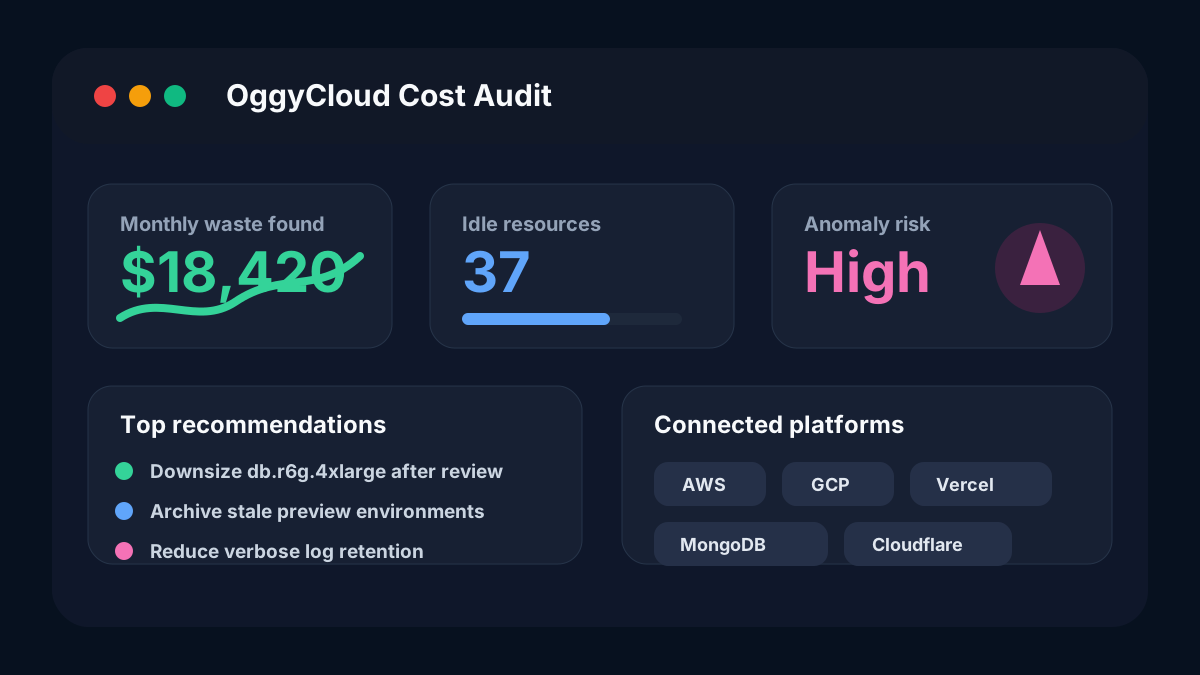
How OggyCloud helps
OggyCloud is designed for this multi-platform reality: one dashboard for infrastructure, SaaS, and AI spend signals.