How a SaaS team found six months of runway in cloud waste
A practical look at the waste patterns that appear when engineering velocity outpaces cost visibility.
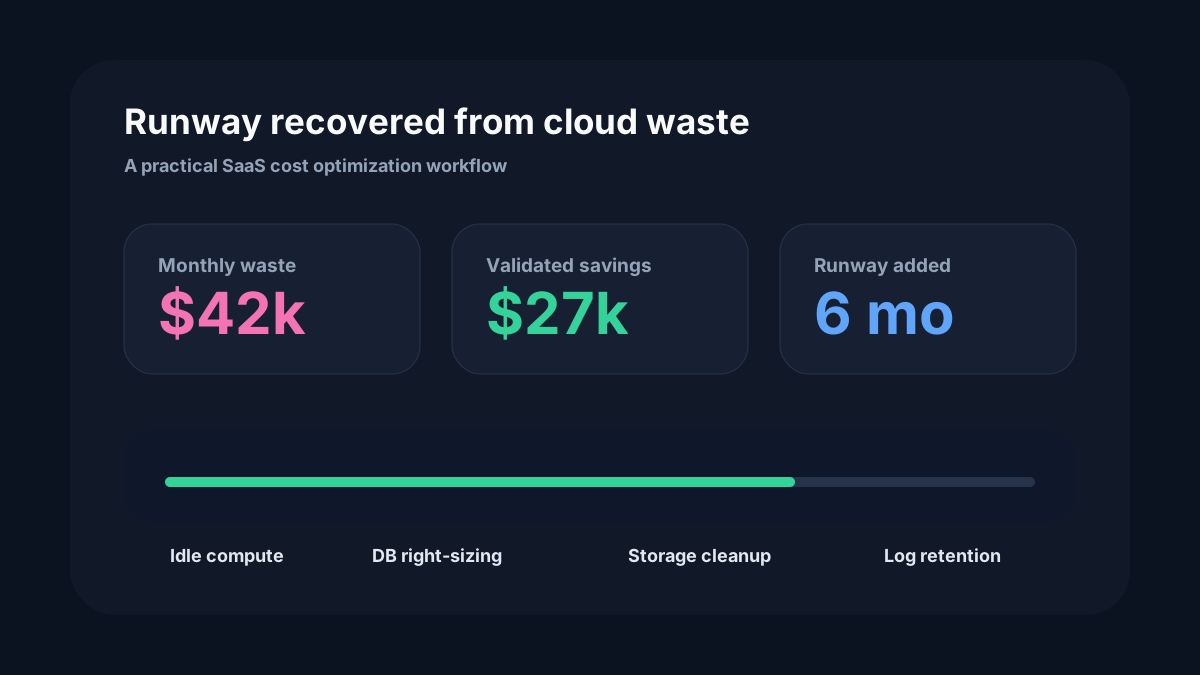
For a growing SaaS company, cloud savings can be the difference between hiring another engineer and delaying the roadmap. The fastest wins usually come from waste that already exists, not from forcing teams to ship less.
The starting point
The team had the usual symptoms of a fast-moving product organization: multiple environments, several cloud accounts, managed databases, CI jobs, preview deployments, and a billing review that happened after the invoice arrived.
Nobody owned the total number. Engineering owned uptime, finance owned the invoice, and product owned the roadmap. Cloud spend sat between those teams, growing quietly.
1. They separated obvious waste from risky changes
The first pass avoided heroic optimization. Instead, the team looked for changes with clear evidence and low operational risk: idle resources, stale environments, unattached storage, and retention settings that no longer matched business needs.
- Stopped idle staging resources outside working hours.
- Removed preview environments attached to closed branches.
- Archived old volumes and snapshots after ownership review.
- Reduced log retention for noisy non-production services.
2. They made database changes reviewable
Database rightsizing created the largest savings opportunity, but it also carried the most perceived risk. The team needed evidence before making changes.
- Compared sustained CPU, memory, and IOPS against the next smaller instance tier.
- Matched recommendations with recent traffic patterns.
- Scheduled changes during low-risk windows with rollback notes.
3. They turned savings into a weekly habit
The biggest operational change was cadence. Instead of waiting for a finance review, engineering looked at recommendations weekly while resource context was still fresh.
- Each recommendation had an owner.
- Accepted recommendations were tracked until completion.
- Realized savings were reviewed after the change, not assumed upfront.
What this means for SaaS teams
A six-month runway story rarely comes from one dramatic cut. It comes from dozens of small, trusted improvements that remove waste while preserving velocity.
OggyCloud helps create that operating rhythm by connecting platform spend, surfacing waste, and making recommendations specific enough for engineering teams to validate.